
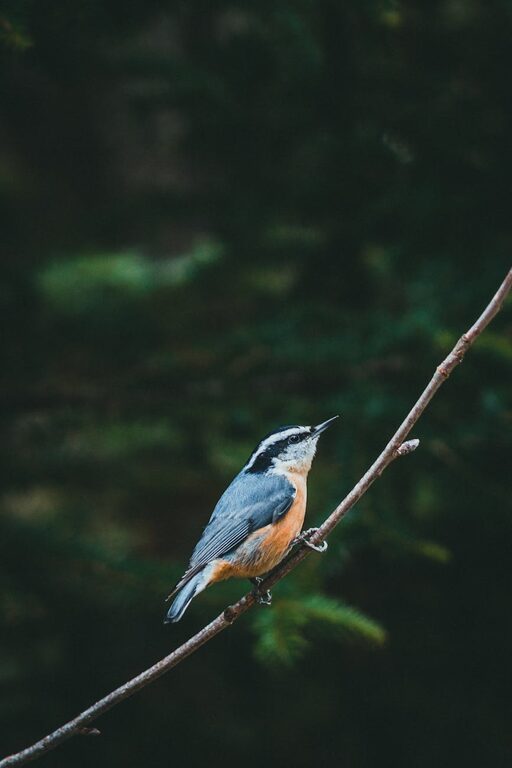
Birdwatching is a relaxing and rewarding hobby that anyone can enjoy, no matter where they live. If you have a backyard or even a small balcony, you can create a welcoming space for birds and start observing these fascinating creatures up close. This beginner guide offers simple tips to help you get started with backyard birdwatching and appreciate the beauty of nature in your own space.
Why Start Backyard Birdwatching?
Birdwatching isn’t just for experts or people with access to forests and parks. It’s a great way to connect with nature and bring a bit of the outdoors into your daily life. Watching birds can reduce stress, improve your mood, and provide endless curiosity and learning opportunities. Plus, it can be a fun activity for the whole family!
Setting Up Your Backyard for Birdwatching
Creating a bird-friendly backyard doesn’t require a lot of space or fancy equipment. Here’s how to prepare your outdoor area for visitors from the feathered world.
1. Provide Food Sources
Birds need food to thrive, so offering a variety of bird feeders is a great way to attract different species.
– Seed feeders: Popular seeds include black oil sunflower seeds, nyjer, and millet. A tube feeder or hopper feeder works well.
– Suet feeders: Great for attracting insect-eating birds, especially in cooler months.
– Fruit and nectar: Some birds enjoy sliced fruits like oranges or apples. A hummingbird feeder with nectar can attract hummingbirds during warmer seasons.
Remember to clean feeders regularly to prevent mold and disease.
2. Provide Water
Birds need water for drinking and bathing, so having a clean water source is important.
– Birdbaths: Choose a shallow birdbath with a textured surface to help birds grip. Change water daily in warmer weather.
– Moving water: Birds are often attracted to moving water, so consider a small fountain or dripper if possible.
3. Offer Shelter and Nesting Spots
Birds like to feel safe from predators and harsh weather. You can add:
– Trees and shrubs: Native plants offer natural cover and food sources like berries.
– Birdhouses: Provide nesting opportunities for cavity-nesting species but check the appropriate size and design for your local birds.
– Brush piles or dense vegetation: These create hiding places and nesting grounds.
Observing and Identifying Birds
Once your backyard is ready, the fun part begins! Here’s how to make the most of your birdwatching experience.
1. Find a Comfortable Spot
Choose a quiet place where you can sit or stand without disturbing the birds. A bench or a comfortable chair near your feeders or birdbath works well.
2. Use Binoculars and Field Guides
A pair of binoculars can help you see details like plumage and behavior without getting too close. Field guides or bird identification apps can assist in recognizing different species.
3. Keep a Bird Journal
Recording your observations is a great way to track the variety of birds and note interesting behaviors. Include details like date, time, weather, bird names, and any unique happenings.
4. Be Patient and Observant
Birds may take time to visit, especially if your feeders and water sources are new. Watch quietly and patiently. You might notice feeding habits, interactions, or even migration patterns.
Common Backyard Birds to Look For
Depending on your location, you may encounter a variety of common backyard birds. Some frequently spotted species include:
– Northern Cardinal: Bright red male with a crest, common in many parts of the US.
– American Robin: Known for its orange breast and melodic song.
– Blue Jay: Noted for its blue feathers and loud calls.
– Chickadee: Small, friendly birds with black caps and white cheeks.
– House Finch: Small with streaky brown feathers and a red head in males.
– Mourning Dove: Soft gray with a gentle cooing sound.
Learning about your local birds can increase your enjoyment and make it easier to identify newcomers.
Additional Tips for Beginner Birdwatchers
– Start simple: Focus on common species before trying to spot rarer birds.
– Avoid sudden movements: Birds are easily startled, so move slowly.
– Observe bird behavior: Notice how birds feed, preen, or interact.
– Use appropriate feeders: Some birds prefer specific feeder types.
– Be consistent: Regularly refilling feeders and refreshing water helps keep birds coming back.
Final Thoughts
Birdwatching right in your backyard is an enjoyable way to appreciate wildlife and spend time outdoors. By setting up food, water, and shelter, and by practicing patient observation, you can discover a fascinating world of birds just outside your door. So grab your binoculars, get comfortable, and start watching — nature has many stories to share!
Happy birdwatching!