
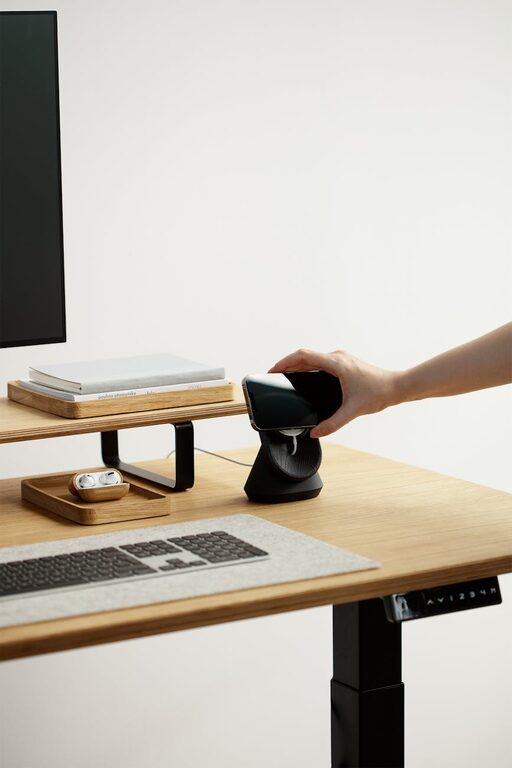
Creating a workspace that promotes both focus and comfort is key to maintaining productivity and well-being during your work hours. Whether you work from home or need to optimize your office desk, a well-designed setup can reduce distractions, prevent discomfort, and help you stay engaged with your tasks. In this post, we’ll explore practical tips to set up your desk for maximum comfort and focus.
Why a Thoughtful Desk Setup Matters
Your desk is more than just a spot to place your computer and papers. It’s a foundation for your daily work routine. A cluttered or poorly arranged workspace can cause discomfort and limit your ability to concentrate. In contrast, an organized, ergonomic desk supports good posture, reduces physical strain, and fosters an environment conducive to productivity.
—
Essential Elements for a Focus-Boosting Desk Setup
1. Choose the Right Desk and Chair
– Desk size: Opt for a desk with enough surface area to hold your computer, essential supplies, and space for writing or other tasks.
– Adjustable height: If possible, use a height-adjustable desk to switch between sitting and standing, which can improve circulation and reduce fatigue.
– Ergonomic chair: Invest in a chair with lumbar support, adjustable height, and comfortable cushioning.
2. Position Your Monitor Correctly
– Place your monitor directly in front of you at eye level to avoid neck strain.
– The top of the screen should be at or just below eye level.
– Keep the monitor about an arm’s length away from your eyes to reduce eye strain.
3. Organize Essentials Within Reach
Having frequently used items nearby saves time and prevents distractions caused by hunting for things.
– Use desk organizers or drawers for pens, notepads, and other stationery.
– Keep your phone or other gadgets within easy reach but avoid cluttering the desk surface.
—
Creating Comfort Through Ergonomics
4. Maintain Proper Posture
– Sit with your feet flat on the floor or supported by a footrest.
– Keep your knees at or slightly below hip level.
– Position your wrists straight when typing to prevent strain or repetitive stress injuries.
5. Use an External Keyboard and Mouse
If working on a laptop, using an external keyboard and mouse allows you to position the screen at eye level without compromising your hands’ position, improving posture and comfort.
6. Lighting Matters
– Natural light is ideal but avoid glare on your screen.
– If natural light is limited, use a desk lamp with adjustable brightness and color temperature.
– Task lighting helps reduce eye strain especially during long work sessions.
—
Maintaining Focus Through Environment and Habits
7. Minimize Clutter
A clear workspace reduces distractions and helps you concentrate.
– Regularly declutter your desk.
– Use cable management tools to keep cords tidy.
– Limit personal items to a few meaningful objects to keep the space inviting but not distracting.
8. Add Greenery
Plants can improve air quality and add a calming presence to your desk area. Even small succulents can make a difference in mood and focus.
9. Set Boundaries and Schedule Breaks
– If working from home, clearly define your work area to separate work and leisure.
– Schedule short breaks to stretch or rest your eyes; following techniques like the Pomodoro method can help maintain focus.
—
Additional Tips for an Ideal Desk Setup
10. Personalize Mindfully
A few personal touches, like photos or artwork, make your workspace enjoyable but avoid overloading your desk.
11. Use Noise Control Tools
Headphones or white noise machines can block distracting sounds in busy environments and enhance concentration.
12. Keep Hydrated and Snack Smart
Keep a water bottle at your desk and choose healthy snacks to maintain energy levels without leaving your workspace frequently.
—
Final Thoughts
Optimizing your desk setup for focus and comfort does not require a complete overhaul or expensive equipment. Small, intentional changes—like adjusting your chair, organizing your desk, and managing lighting—can result in significant benefits. As you experiment with the arrangement, pay attention to how each change impacts your productivity and comfort, then tailor your setup accordingly. A well-thought-out desk environment supports your goals and helps you make the most of your workday.
—
Creating a workspace that feels good and supports your focus is a smart investment in your daily routine. Use these tips to build a desk setup that works for you and enjoy a more productive, comfortable day at work.