
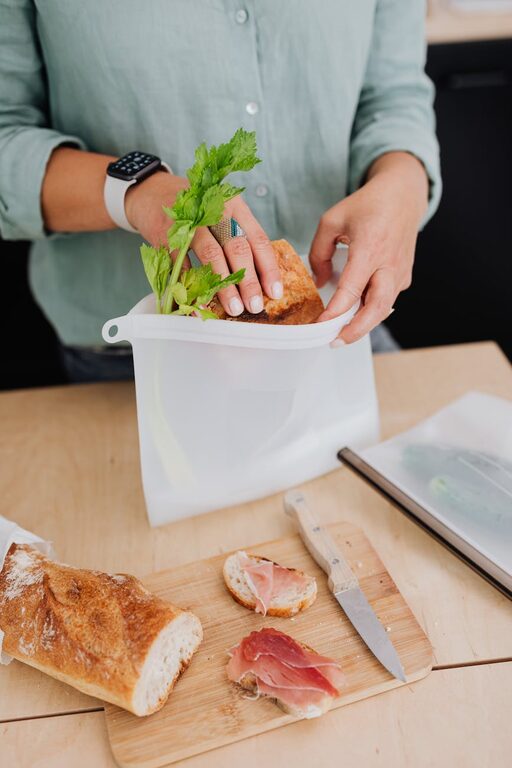
Reducing food waste at home is a smart way to save money, conserve resources, and help the environment. Every year, tons of edible food end up in the trash, but with some mindful habits and smart planning, it’s possible to minimize waste significantly. In this post, we’ll explore practical tips and methods you can easily adopt to reduce food waste in your kitchen.
Why Reducing Food Waste Matters
Before diving into strategies, it’s important to understand why it matters. Food waste contributes to greenhouse gas emissions, wastes water and energy used in growing and transporting food, and burns a hole in your wallet. By reducing waste, you help conserve natural resources and support a more sustainable lifestyle.
Plan Your Meals and Shopping
One of the most effective ways to reduce food waste starts before you even buy groceries.
Create a Weekly Meal Plan
– Plan meals based on what’s already in your pantry and fridge.
– Choose recipes that use similar ingredients to avoid buying too many different items.
– Include leftovers in your plan to ensure they are eaten.
Make a Detailed Shopping List
– Write down exactly what you need based on your meal plan.
– Avoid impulse buys by sticking to the list.
– Consider portion sizes to buy only what you will realistically consume.
Smart Storage Practices
How you store your food directly impacts how long it stays fresh.
Understand Food Storage Basics
– Keep fruits and vegetables in the appropriate spots (some in the fridge, others on the counter).
– Use airtight containers to extend the shelf life of leftovers and opened packages.
– Store bread in a cool, dry place to prevent mold.
Use the “First In, First Out” Method
– Organize your fridge and pantry so older items are in front.
– Make it easier to grab and use older products before newer ones.
Use Leftovers Creatively
Leftovers don’t have to be boring scraps waiting to be thrown away.
Repurpose Meals
– Turn roasted vegetables into soups or salads.
– Use extra rice or pasta in stir-fries or casseroles.
– Combine bits of cheese, meat, and vegetables for frittatas or omelets.
Freeze for Later
– Portion leftovers into freezer-safe containers.
– Label with dates so you use older items first.
– Freeze surplus fresh produce like berries or herbs before they spoil.
Monitor Expiration Dates Wisely
Expiration dates can be confusing and sometimes lead to unnecessary waste.
Know the Difference Between Date Labels
– “Use by” indicates safety, so consume by this date.
– “Best before” refers to quality but not safety—food can still be eaten if it looks and smells good.
– Trust your senses: check for any signs of spoilage such as mold, off odors, or discoloration.
Compost Food Scraps
Even the tiniest bits of food add up.
– Set up a compost bin for fruit peels, vegetable scraps, coffee grounds, and eggshells.
– Use compost in your garden or share with neighbors.
– Composting reduces landfill waste and returns nutrients to the soil.
Shop Smart with Bulk and Local Markets
Choosing where and how you shop can affect waste.
– Buy in bulk only what you can use before it spoils.
– Visit local farmers markets for fresh produce that lasts longer.
– Support stores that allow you to buy smaller quantities.
Educate the Household
Food waste reduction works best when everyone in the home is involved.
– Share tips and goals with family members or roommates.
– Encourage kids to help with meal planning and cooking.
– Set a good example with your own habits.
Conclusion
Reducing food waste at home is a rewarding goal that benefits both your household and the planet. By planning meals, storing food properly, making use of leftovers, understanding expiration dates, composting scraps, shopping wisely, and involving everyone at home, you can make a significant impact. Start with small changes today, and enjoy the benefits of less waste and more savings.